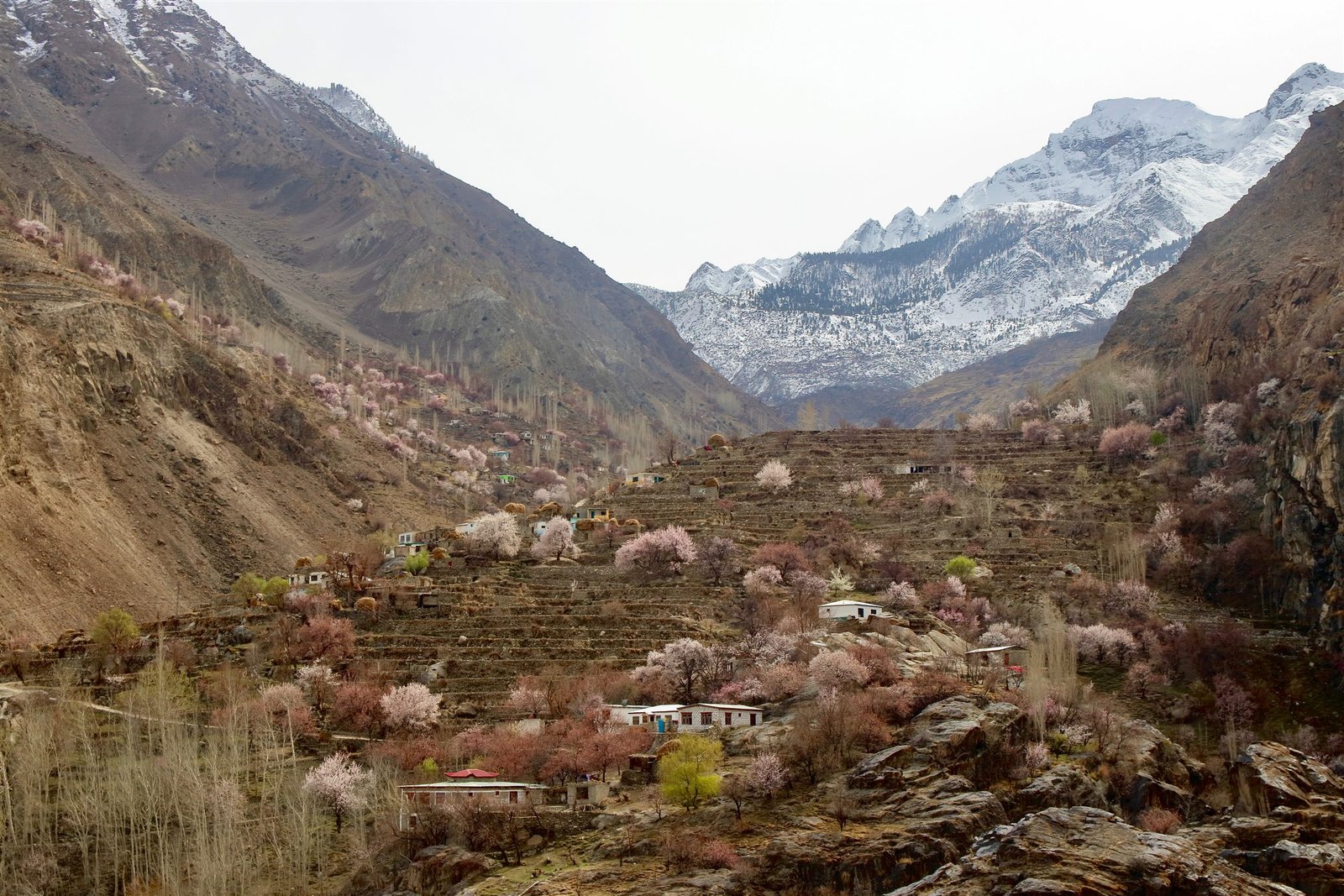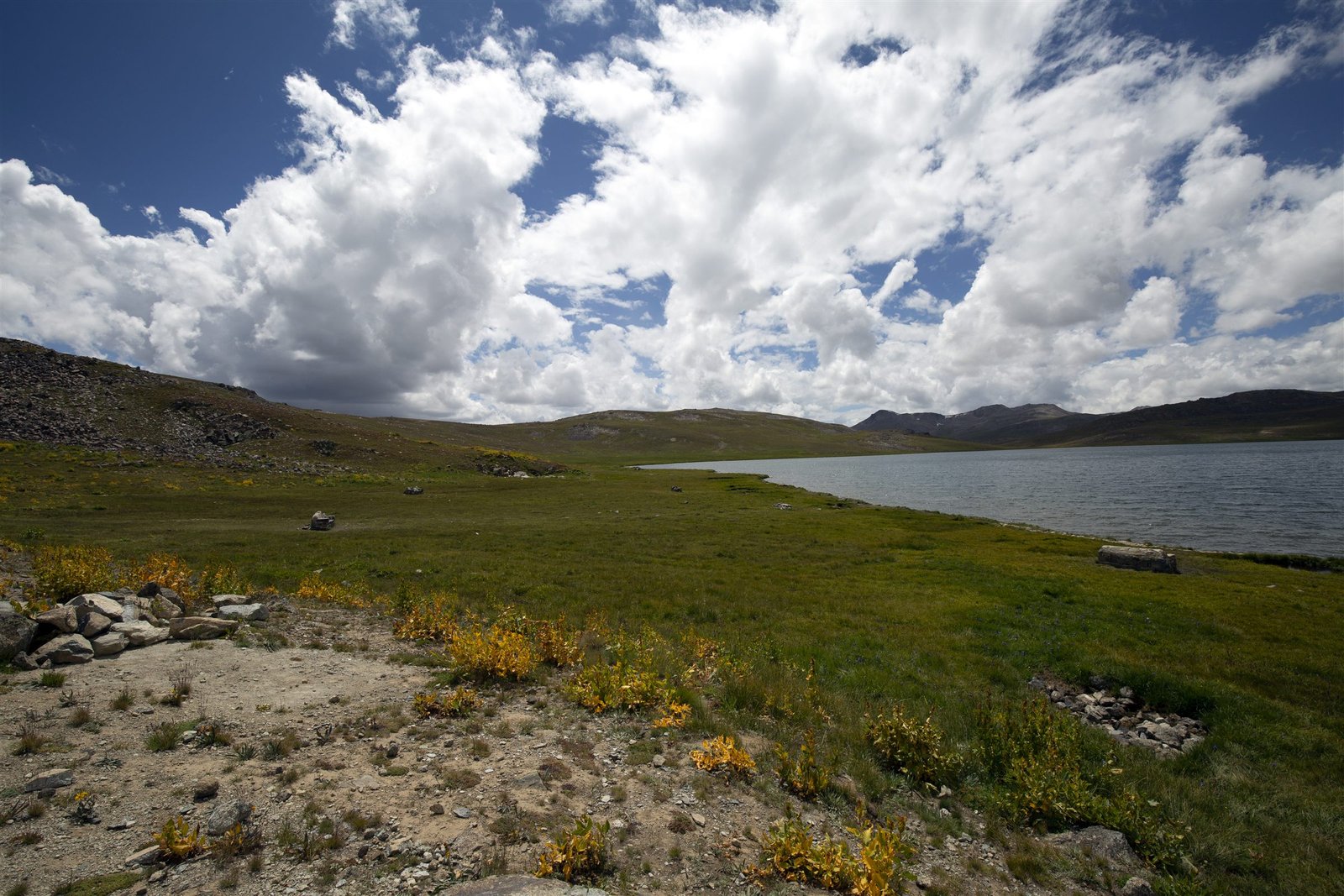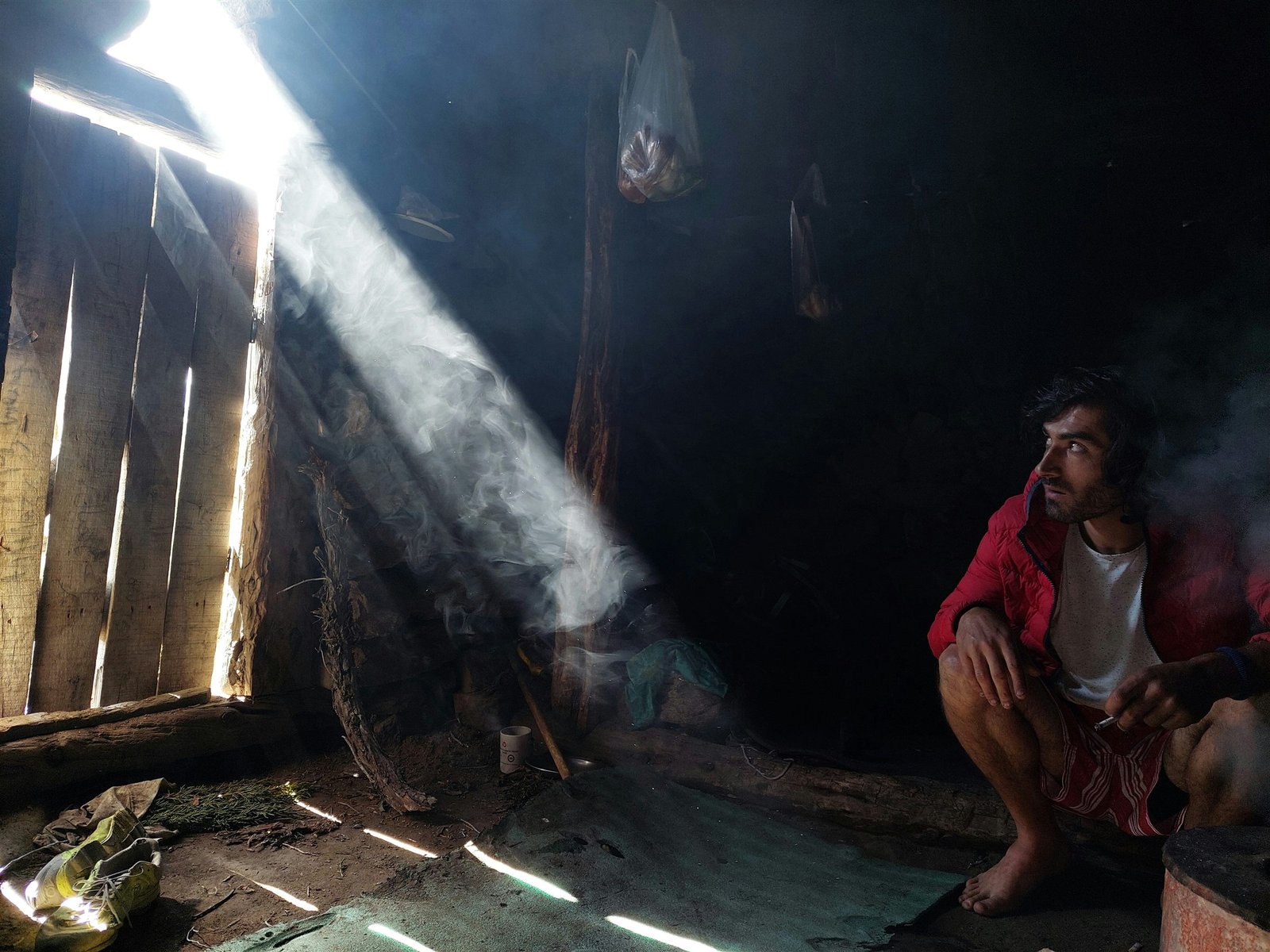
The huts at Hapakun look abandoned from the path. They are not. From the second week of June until the first snow, they are where about nine families from Minapin live, along with roughly four hundred goats, sheep and cattle.
The system is old and specific. Animals from several households move up together under a rotating arrangement, so no family loses a whole summer of labour. Milk becomes butter and a hard cheese that keeps for the winter. Nothing is carried down that has not been reduced first.
Trekkers have been walking through since the 1970s and the relationship is uncomplicated: the path was there first, the huts were there first, and the summer economy now has a small second income attached to it. Most operators pay a per-tent fee to the household whose ground they camp on. Some do not, and everyone in Minapin knows which ones.
Zohra Bibi has spent forty-one summers at Hapakun. She has watched the tree line move, the glacier below the camp shorten, and the number of families making the move drop from fourteen to nine. "The young ones go to Gilgit," she says. "They come up for a week in August to take photographs of us."